September 30, 2026

Dear Friends,
A few years after Extell began sales at One Manhattan Square, an
institutional investor consulted with me about refinancing the project. At
the time, my team and I were marketing the nearby 242 Broome, the first
condominium phase of Essex Crossing.
One Manhattan Square was monumental: 814 condominiums alongside 205
income-restricted rentals. I admired the ambition, but wondered how long it
would take to find hundreds of condo buyers. The investor understood the
time required. Their loan basis per square foot was far below fair market
value, making it nearly a zero-risk loan.
Gary Barnett is no doubt one of the greatest developers of our time. He has
a rare ability to finance, build, and sell projects of this scale. Even so,
a decade after sales began, the condominium is just short of 75% sold. Of
the 36 apartments currently listed for sale, 17 are owner resales; at the
current sales pace, Marketproof estimates it could take eight more years to
sell out.
That is the 500-unit problem. A 40-unit development and a 500-unit
development face very different versions of the same question: how many
buyers can the project attract, and for how long? The larger project must
keep attracting them long after its opening campaign. Meanwhile, competing
buildings launch, carrying costs accumulate, interest rates fluctuate,
tastes change, and early purchasers may put their apartments up for resale.
The sponsor will soon find itself competing with owners in its own building.
Consider another one by Extell, the planned 430-unit project at the former
Disney campus on West 67th and 68th Streets. Few developers capable of
taking on a site like that would pass it up. Yet even at a sustained 45
sales a year—an extraordinary pace that is not likely to last more than a
few years—selling 430 homes would take many years. In the early 2000s, there
was enough spread to sell the initial release at lower prices, building
momentum.
That spread no longer exists because of financing and construction costs.
Scale makes time part of the underwriting.
Recent reporting puts Manhattan’s remaining new-development inventory at
roughly 2,800 units, its lowest level since 2014. More than 60% is
concentrated in the Financial District and Midtown, including long-marketed
projects such as One Wall Street and the Waldorf Astoria. For buyers seeking
a specific home elsewhere, choices can still be scarce.
The incoming pipeline may be changing shape. Our working list of fall
launches includes 16 projects and approximately 674 residences—fewer than 40
per building on average. They span different neighborhoods and price points,
and sponsors will release homes in phases. Longer-range projections also
show a substantial decline in deliveries from buildings with more than 150
residences.
Launched
| Development | Neighborhood | Units |
|---|---|---|

One High Line — 500 West 18th Street
|
Chelsea | 236 |

One Domino Square — 8 South 4th Street
|
Williamsburg | 160 |
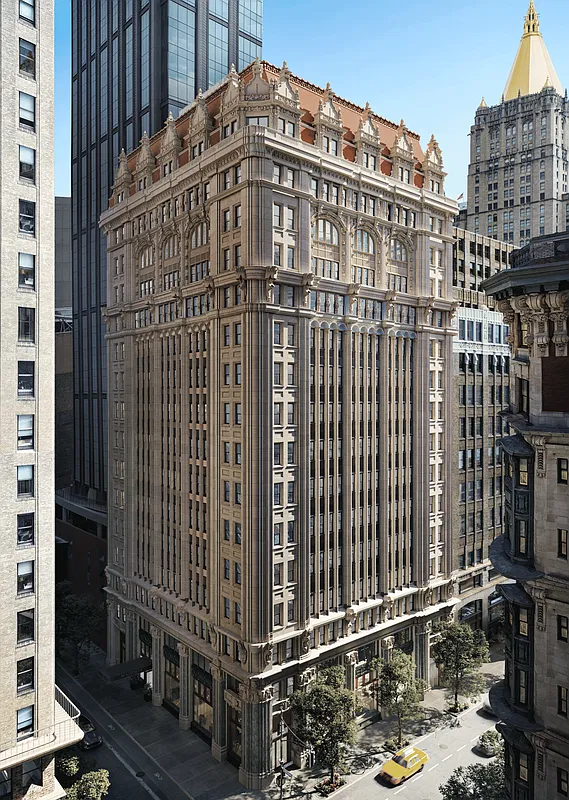
The Emmet Building — 95 Madison Avenue
|
Flatiron | 137 |
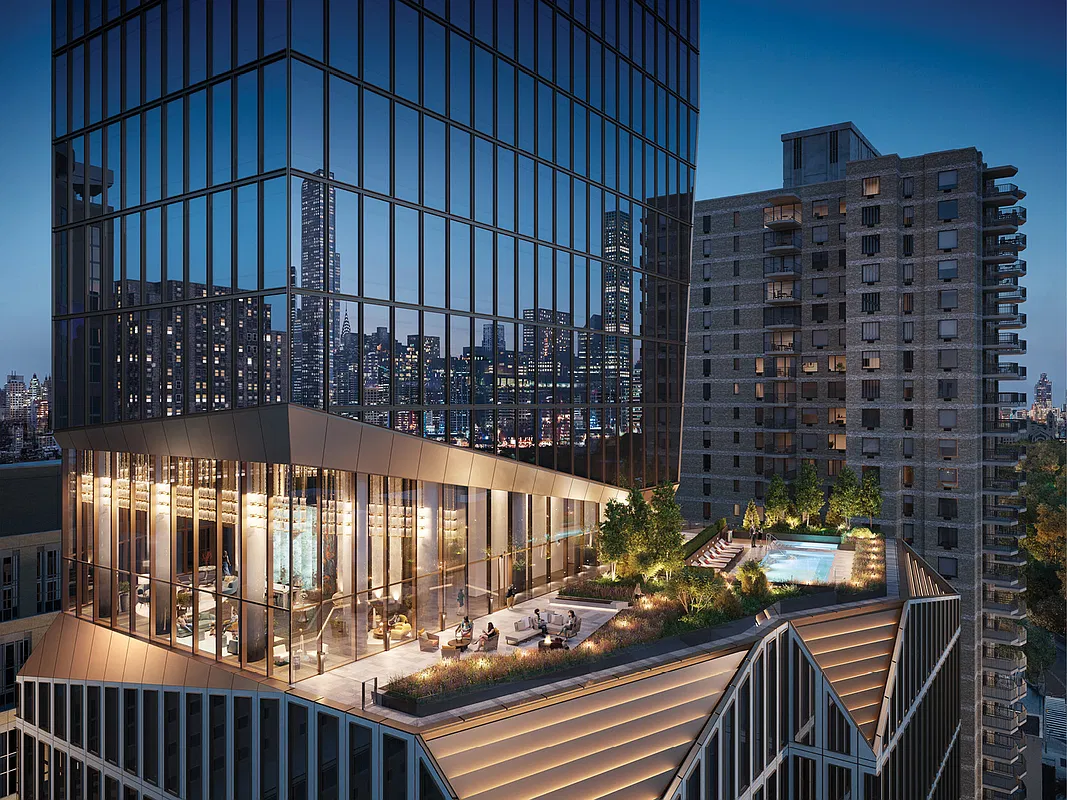
50 West 66th Street
|
Upper West Side | 127 |
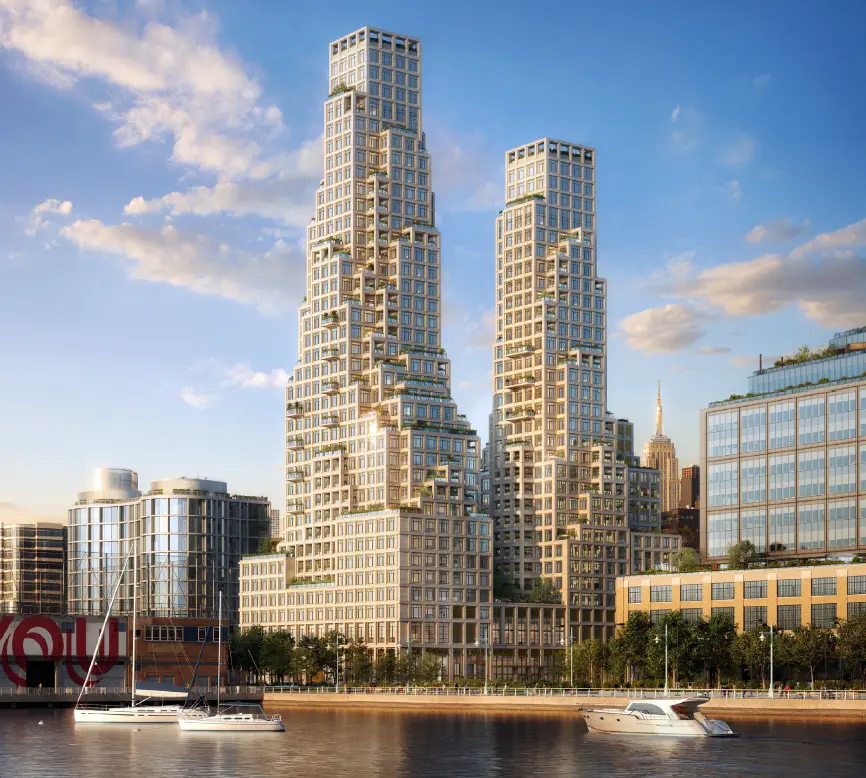
80 Clarkson Street
|
West Village | 112 |
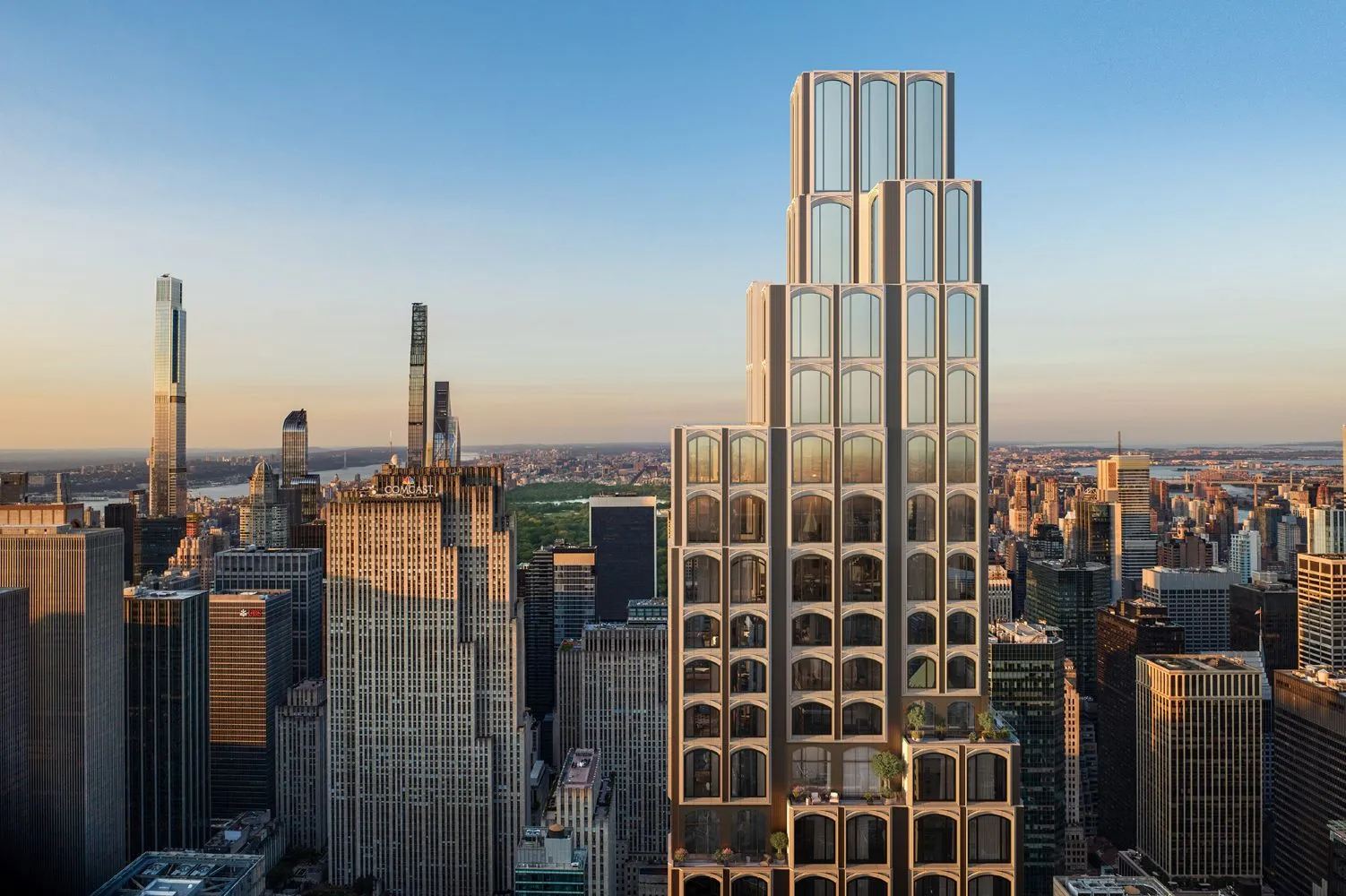
520 Fifth Avenue
|
Midtown | 100 |

525 Sixth Avenue
|
Greenwich Village | 68 |

255 East 77th Street
|
Upper East Side | 62 |
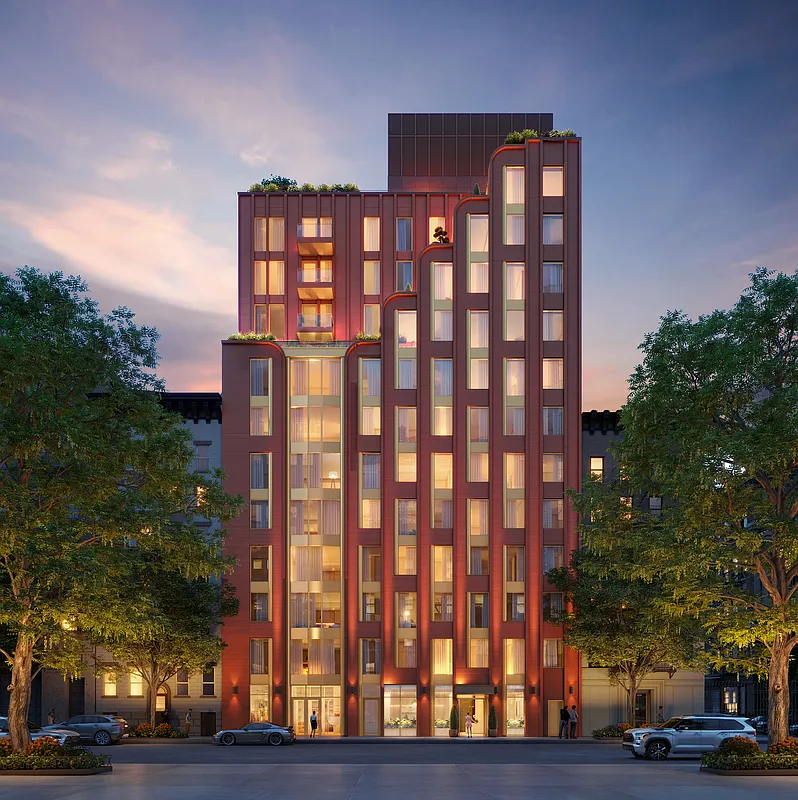
Sorin — 439 West 36th Street
|
Hudson Yards | 52 |
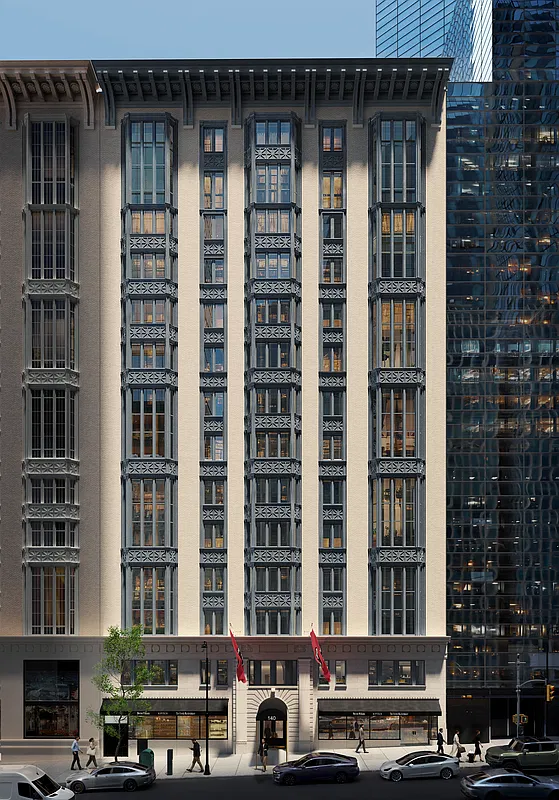
140 West 57th Street — Parc Beaufort
|
Midtown | 47 |
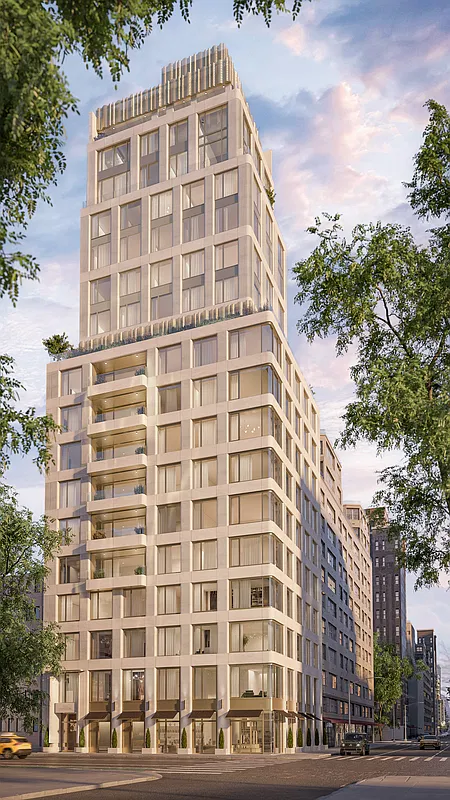
660 Lexington Avenue
|
Midtown | 31 |
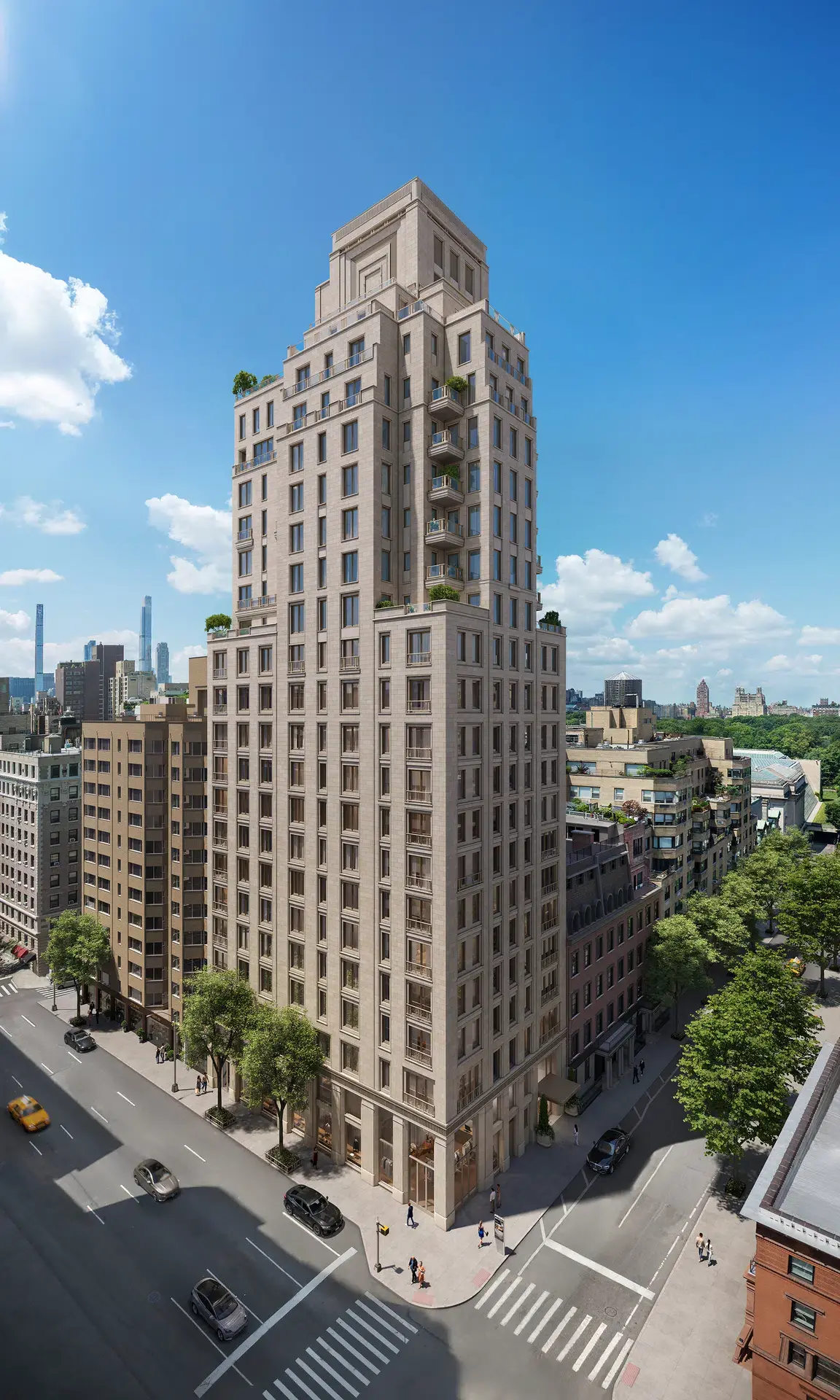
1122 Madison Avenue
|
Upper East Side | 26 |
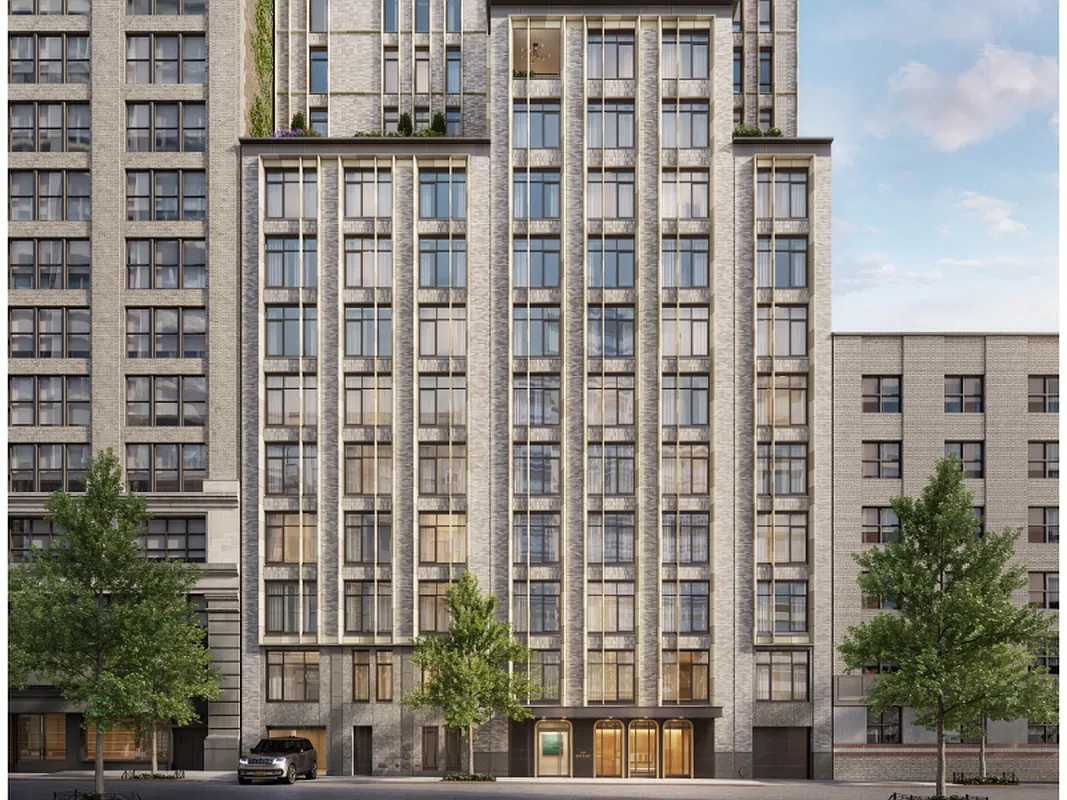
The Myles — 142 West 21st Street
|
Chelsea | 22 |
|
140 Jane Street
|
West Village | 14 |

67 Irving Place
|
Gramercy Park | 11 |
|
14 White Street
|
Tribeca | 7 |
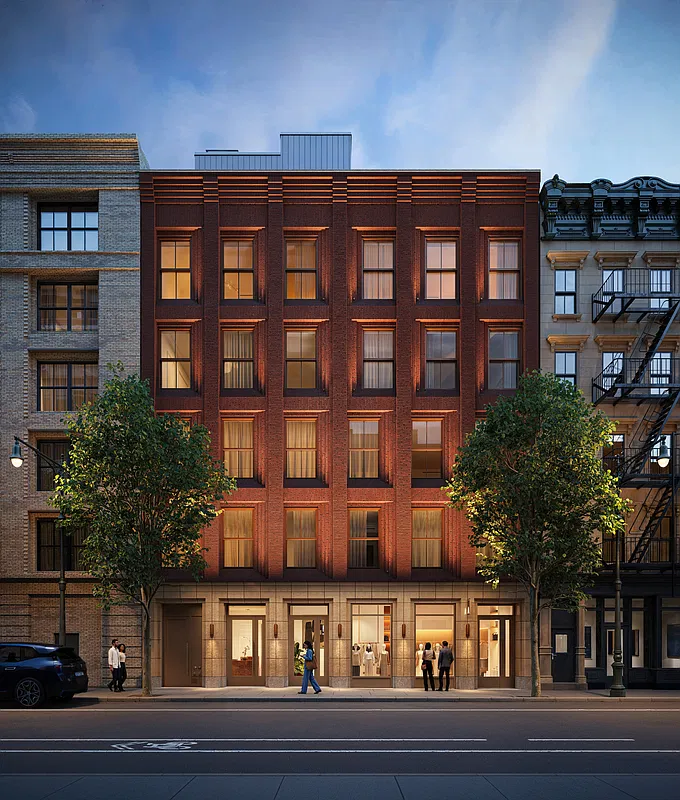
44 West 8th Street
|
Greenwich Village | 5 |
Coming Soon
| Development | Neighborhood | Units |
|---|---|---|

842 Sixth Avenue — Loggia
|
Flatiron | 94 |
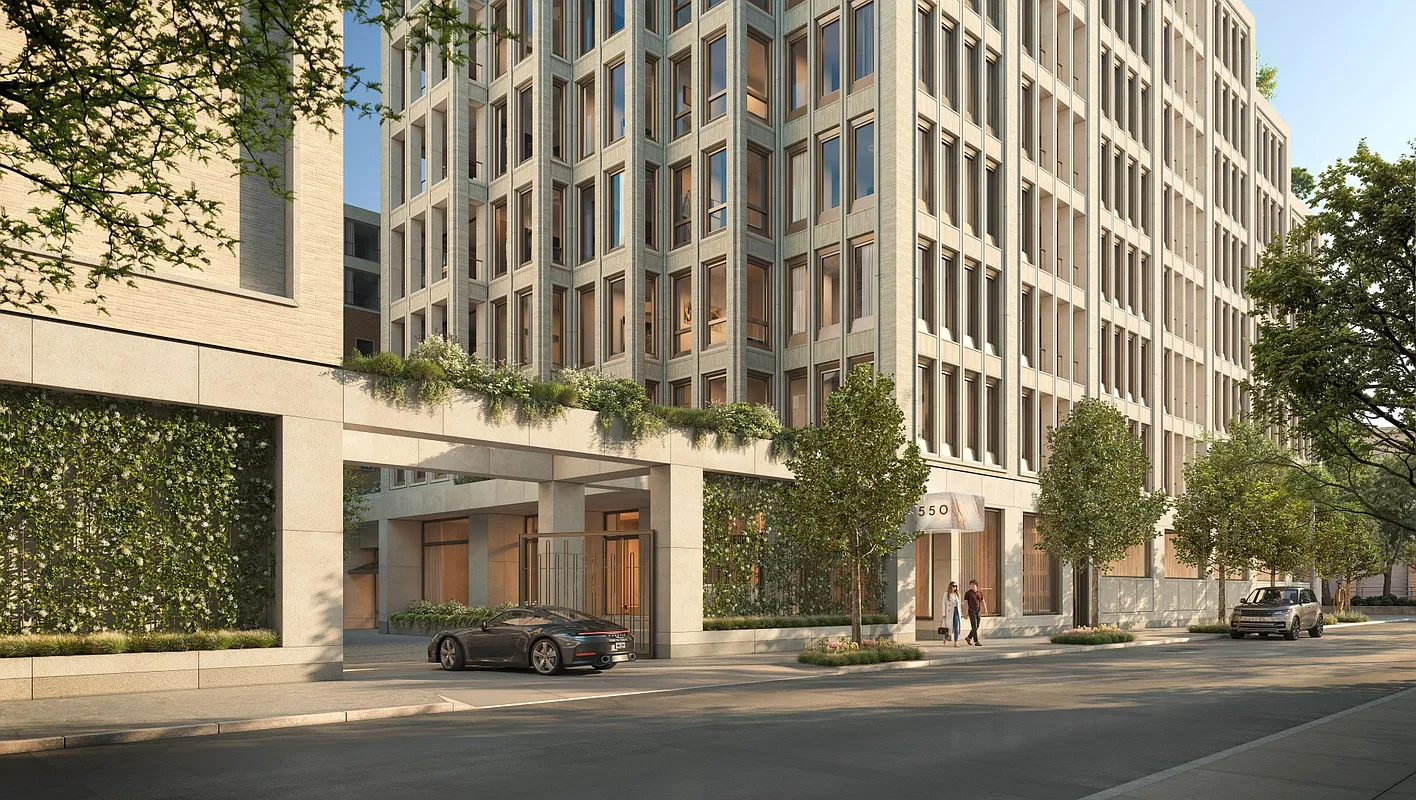
550 West 21st Street
|
West Chelsea | 83 |
|
175 East 82nd Street
|
Upper East Side | 73 |
|
101 Franklin Street
|
Tribeca | 72 |
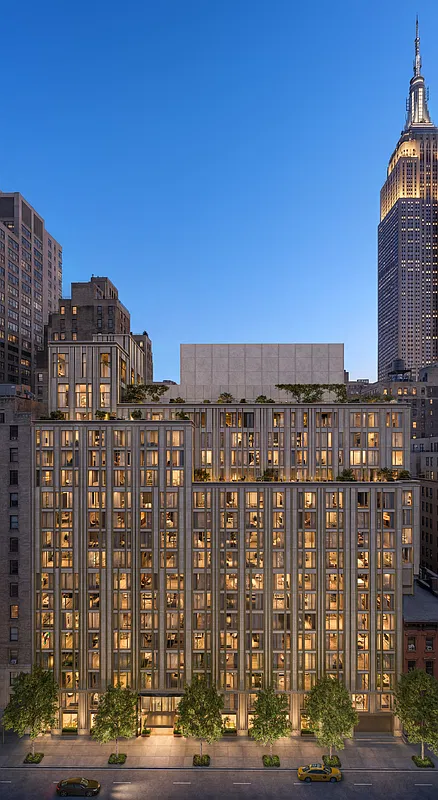
The Morgan — 38 East 35th Street
|
Murray Hill | 63 |
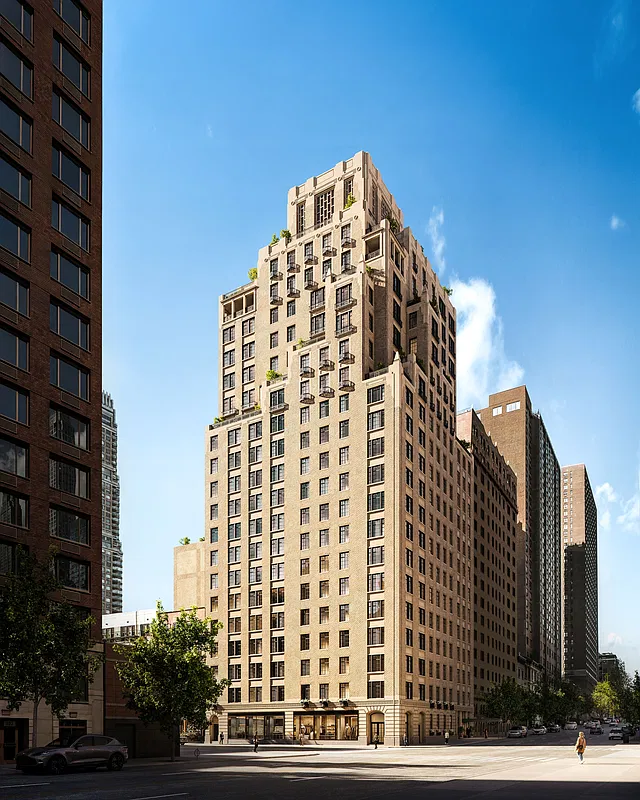
260 East 72nd Street
|
Lenox Hill | 60 |
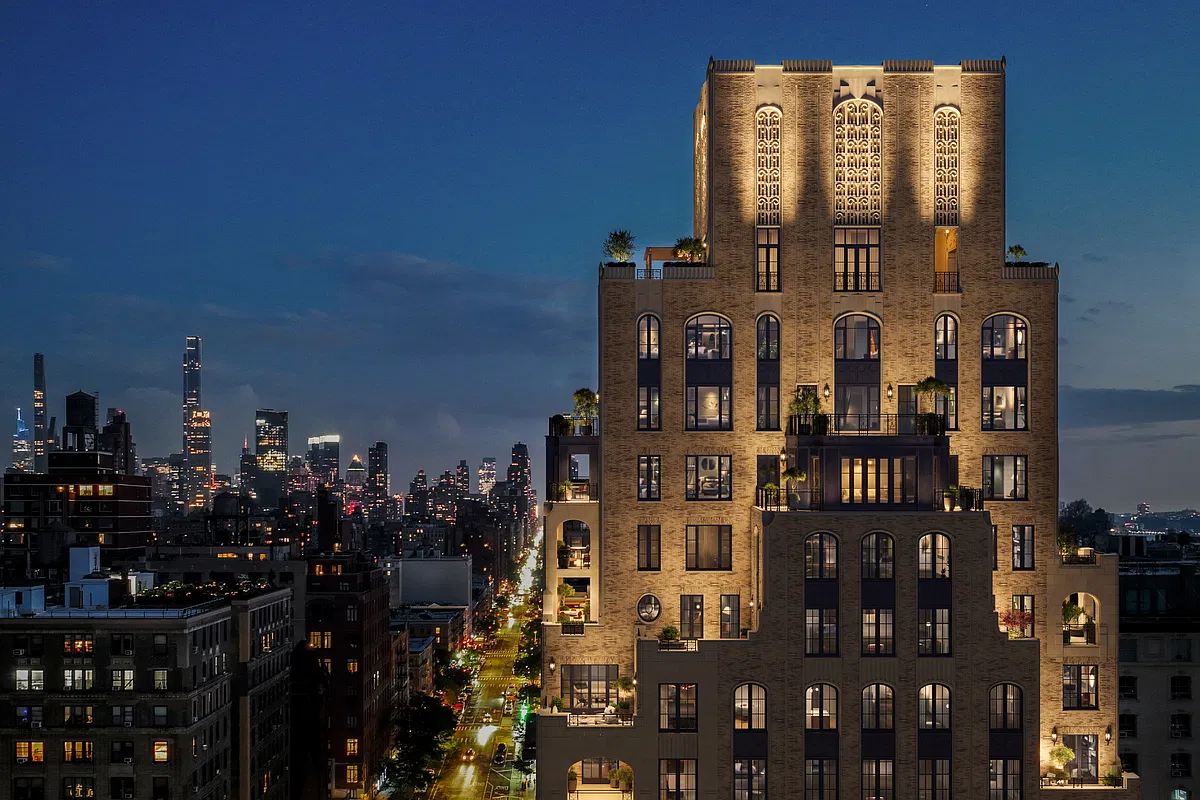
200 West 88th Street
|
Upper West Side | 36 |
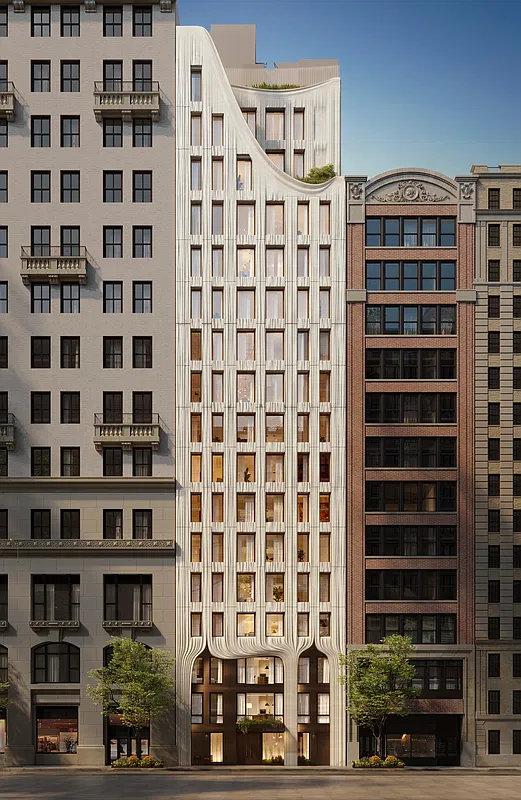
10W17 — 10 West 17th Street
|
Flatiron | 34 |

Greenwich Spire — 11 West 13th Street
|
Greenwich Village | 34 |

The Ledger — 1009 2nd Avenue
|
Sutton Place | 29 |
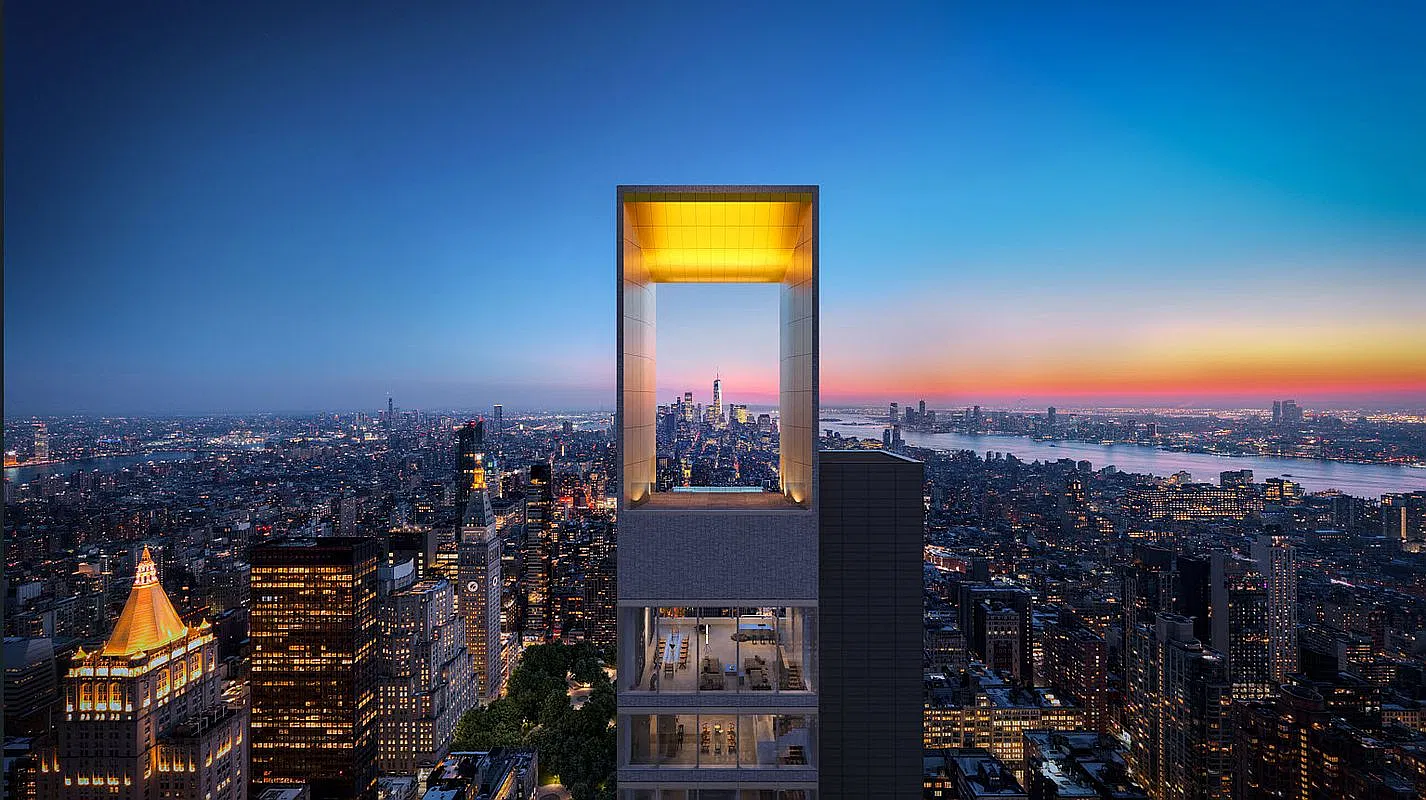
262 Fifth Avenue
|
Flatiron | 26 |
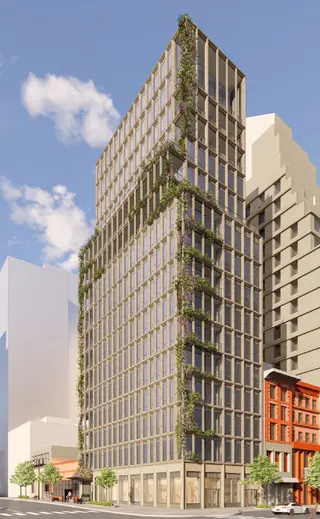
MAISON171 — 171 East 86th Street
|
Upper East Side | 24 |
|
Elodie — 439 East 77th Street
|
Upper East Side | 16 |
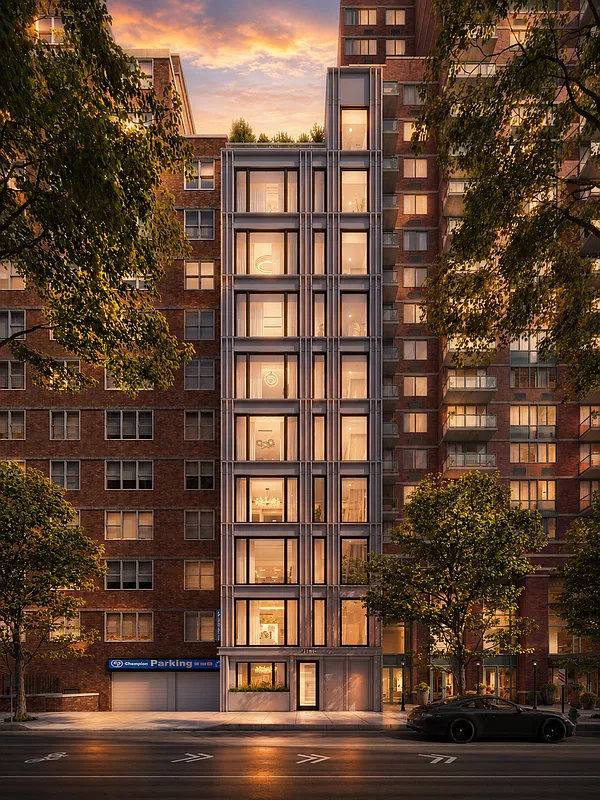
43 Bleecker Street
|
NoHo | 11 |
|
500 East 81st Street
|
Upper East Side | 10 |
|
AVA — 20 West 15th Street
|
Flatiron | 9 |
Our own work shows how a smaller project changes the sales equation. At 2505
Broadway, we asked buyers to pay approximately $5 million for three-bedroom
homes above West 90th Street, where comparable sales had not established
that price. We took a meaningful pricing risk, but the 41-residence building
needed a defined group of families to see the value, and with elevated
design and a variety of layouts, the risk was hedged. It sold out and helped
establish a new comparable set for the neighborhood.
Our 51-residence 200 East 20th Street, in a relatively established
and coveted area, had a different product and sales path. Sales moved
quickly, and the building sold out this month shortly after move-ins
commenced, but it too had a finite number of buyers to find. Another example
is Legion’s 1122 Madison, (marketed by another firm): approximately
85% of its 26 luxury residences went into contract after sales began in
January, at prices that raised the bar for the neighborhood.
Still, larger projects can sell exceptionally well: One High Line has 236
residences, 50 West 66th Street has 127, and 80 Clarkson has 112. Their
performance demonstrates substantial demand for the right product. Yet
projects around 100 units are still a very different scale. And let’s not
forget that this is One High Line’s second sales attempt, following HFZ’s
unsuccessful launch in 2018.
It also puts 500 units in perspective. A developer at that scale must
sustain demand for many more sales, potentially over many more years.
That also explains the apparent inventory contradiction. Manhattan can have
thousands of unsold sponsor apartments, with many concentrated in a few
large projects, while a buyer searching for a particular home elsewhere has
few real options. The inventory number alone doesn’t tell a developer
whether their product faces too much competition or fills a gap. Pricing
risk and buyer-depth risk are different.
Before asking what each apartment can sell for, ask how many times you can
make that sale—and how long the answer needs to remain true.
We’re looking forward to putting this thesis into practice with our upcoming
project.
Stay tuned!
Warm regards,
Ariel and The team